

Investigating the functional organization of membrane-associated biomolecular condensates
OUR FOCUS
Biological phase separation has emerged as an important mechanism that can regulate cellular organization. Biomolecular condensates, or ‘membrane-less organelles’, concentrate specific proteins, nucleic acids, and small molecules without an encapsulating membrane. The Ditlev Lab studies the role of biological phase separation in organizing neuronal and immunological signaling pathways at cellular membranes.
Our team uses a combination of biochemical reconstitution and cell biology to understand how the composition of biomolecular condensates dictates their specific function. We are specifically interested in understanding the role that biomolecular condensates play in local actin polymerization, ion flux across membranes, and local RNA translation as well as understanding how the intrinsic biophysical properties of condensates determines their ability to associate with or repel other molecules and condensates on membranes.
RESEARCH
Biological phase separation has emerged as an important mechanism that can regulate cellular organization. Biomolecular condensates, or ‘membrane-less organelles’, concentrate specific proteins, nucleic acids, and small molecules without an encapsulating membrane. The Ditlev Lab studies the role of biological phase separation in organizing neuronal and immunological signaling pathways at cellular membranes.
Our team uses a combination of biochemical reconstitution and cell biology to understand how the composition of biomolecular condensates dictates their specific function. We are specifically interested in understanding the role that biomolecular condensates play in local actin polymerization, ion flux across membranes, and local RNA translation as well as understanding how the intrinsic biophysical properties of condensates determines their ability to associate with or repel other molecules and condensates on membranes.
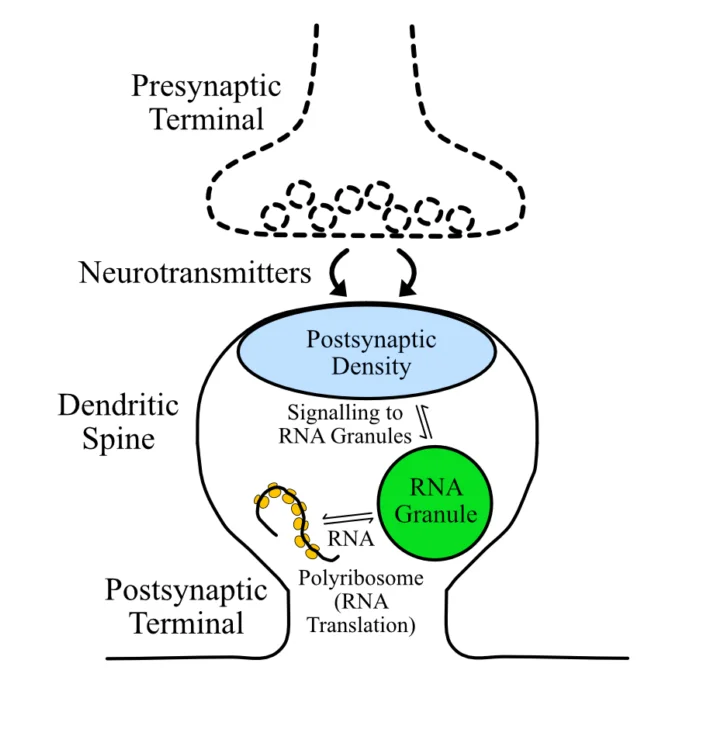
Dendritic spines
Communication between neurons in the brain requires exquisitely controlled, precise connections between neighbouring cells. The connections, or synapses, are composed of a presynaptic bouton at the end of axons and a postsynaptic dendritic spine that protrude from the surface of dendrites.
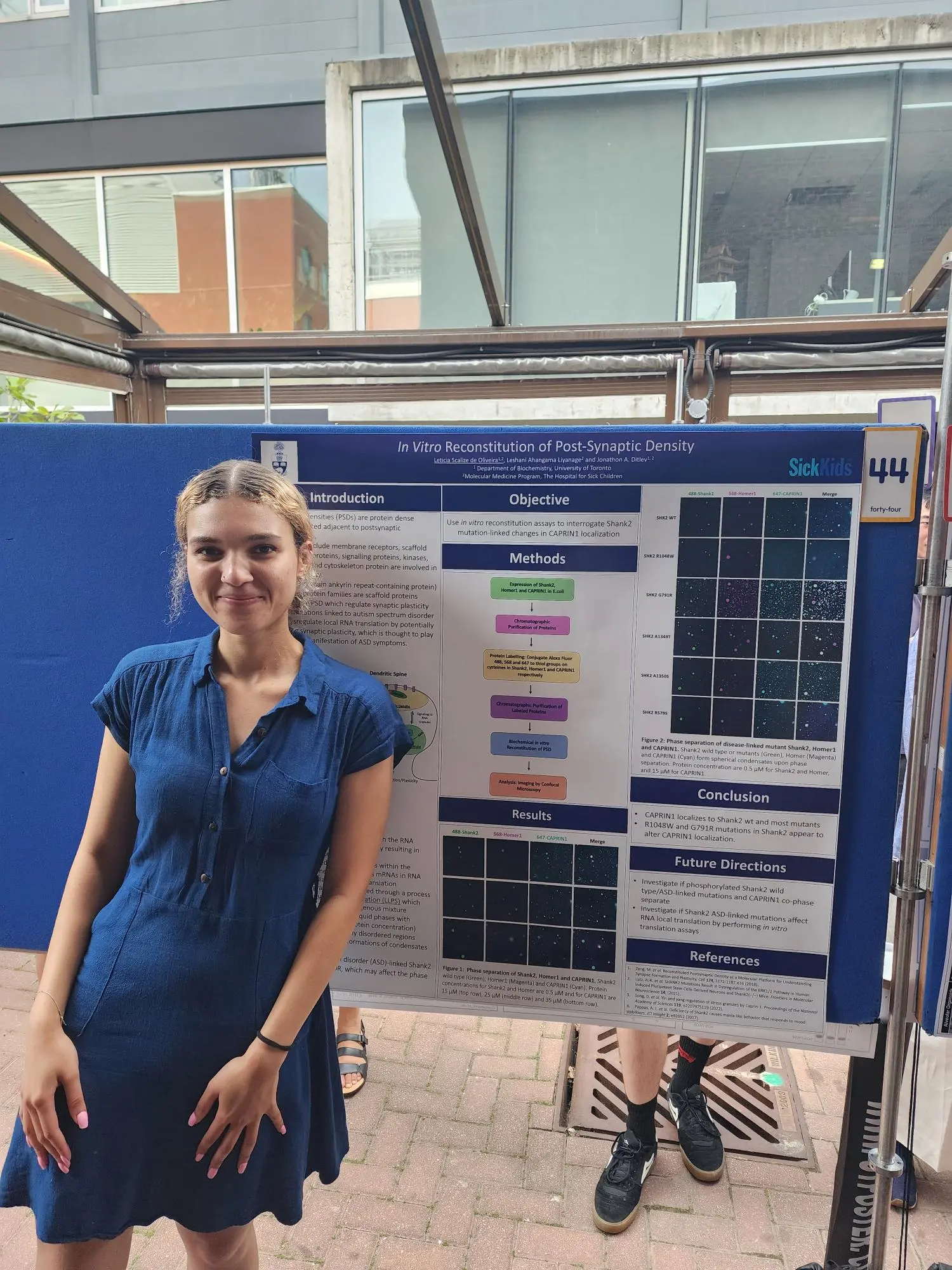
Within the dendritic spine are different condensates that can form through the process of biological phase separation, including postsynaptic densities. This condensate controls dendritic spine plasticity that is required for basic brain functions including memory, behavior, and emotions.
Mutations that have been identified in many proteins that localize to the postsynaptic density are linked to neurodevelopmental disorders such as autism spectrum disorder, schizophrenia, and intellectual disabilities. Moreover, the biochemical and biophysical mechanisms by which these mutations alter normal dendritic spine function are unknown.
We are particularly interested in understanding the role of phase separation in regulating postsynaptic density controlled local RNA translation and actin polymerization; two processes that regulate synaptic plasticity and communication between neurons.
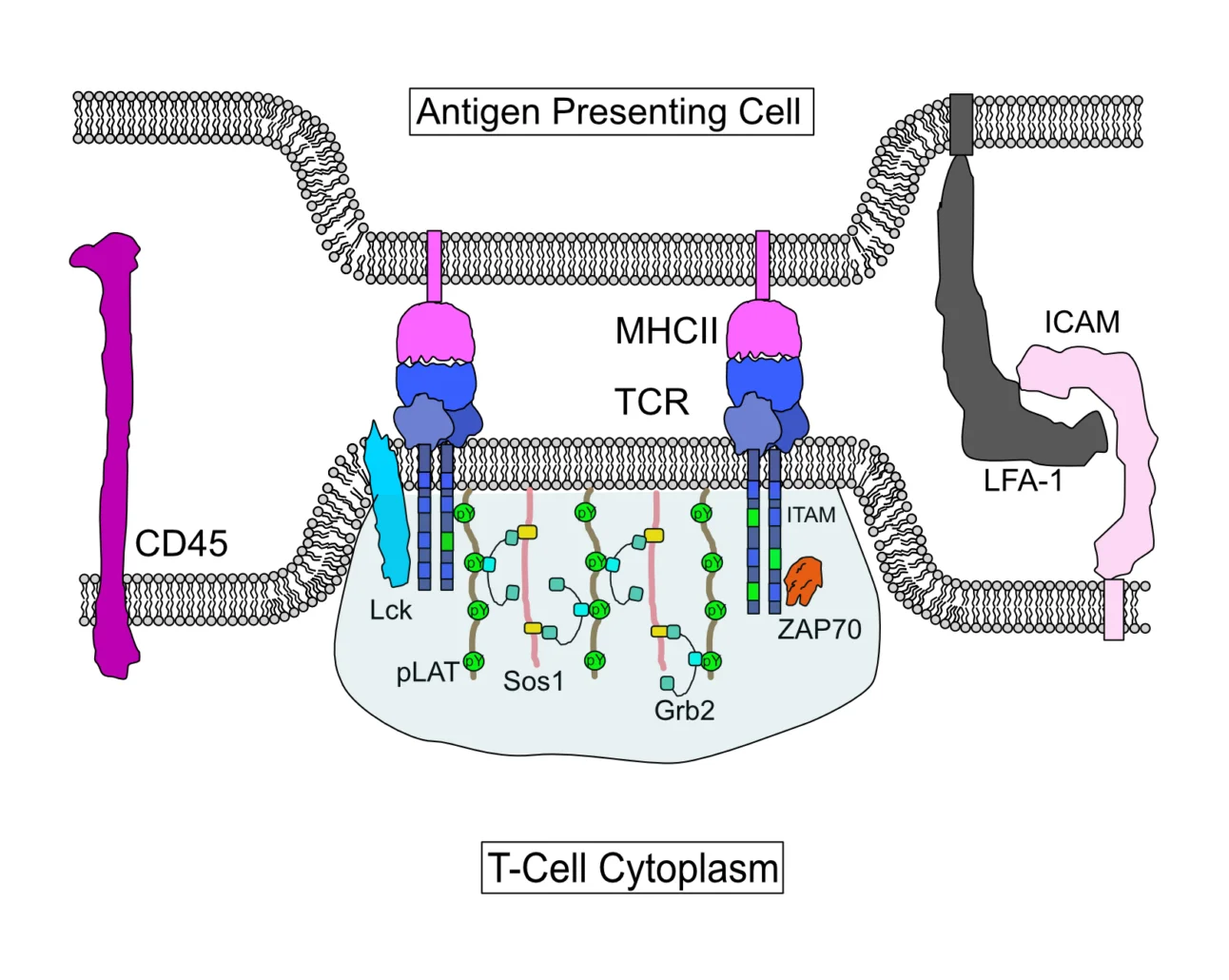
T cell signaling: immune synapse organization
T cell response to infection relies on the recognition of peptide major histocompatibility complexes (pMHC) presented on the surface of antigen presenting cells by T cell receptors on the surface of T cells.
Upon T cell receptor binding to pMHC, kinases are activated within the T cell and signaling clusters composed of proteins form on the membrane. Binding of T cell receptor to pMHC also alters the organization of lipid domains on the T cell membrane.
It is unclear whether lipid and protein domain organization is coupled, and whether potential coupling is required for T cell activation. We are interested in understanding organization at the membrane of the immune synapse and the role that co-existing lipid and protein domains play in regulating T cell activation.
T cells can also experience exhaustion that prevents the cell from mounting a response to threats including cancer. When T cells receive signals telling them to activate without co-stimulation or when repressive receptors are activated, T cells become ineffective. We study how the organization of co-stimulatory or co-repressive receptors that are expressed on antigen presenting cells promote T cell activation versus exhaustion.
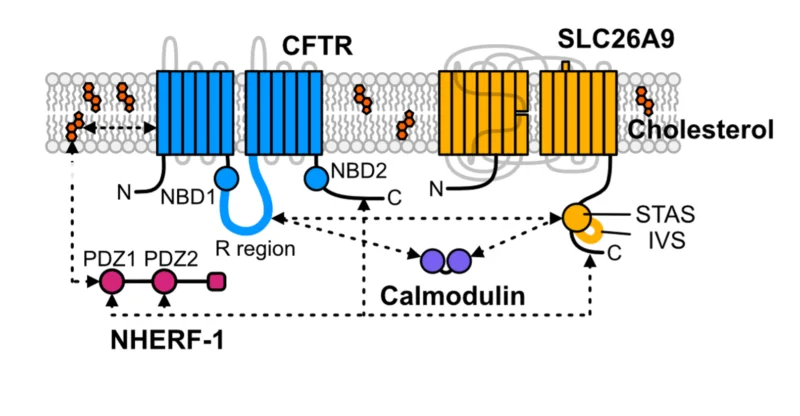
Cystic Fibrosis Transmembrane Conductance Regulator functional organization
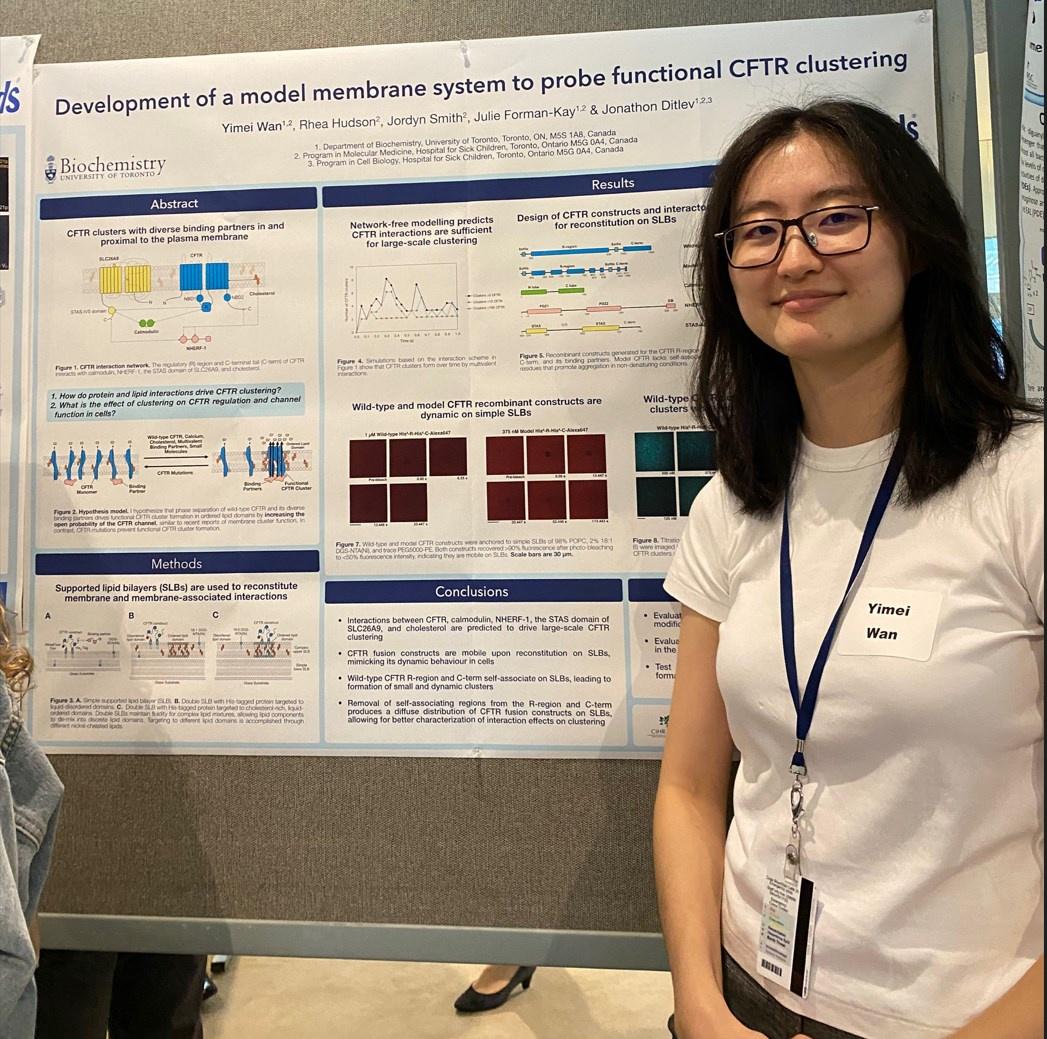
Cystic Fibrosis Transmembrane Conductance Regulator (CFTR) is a chloride channel that maintains ion homeostasis in cells. CFTR is organized on cell surfaces into clusters composed of it and its binding partners. These clusters as a discrete structure are thought to broadly regulate ion homeostasis. We discovered that CFTR, its binding partners, and membrane cholesterol undergo phase separation that is regulated by calcium and phosphorylation. CFTR protein phase separation is coupled to cholesterol phase separation into cholesterol-rich membrane domains, much like T cell signaling proteins.
Dysregulation of channel activity caused by Cystic Fibrosis-linked mutations results in the accumulation of ions within cells, dehydration of extracellular surfaces, and subsequent damage to airway and ductal organs. Corrector and potentiator therapeutics have been discovered that can at least partially rescue CFTR function for a majority of CF patients; however, a small but significant portion of patients do not respond well to existing therapies.
We are particularly interested in how cells use the principles of phase separation to regulate CFTR function. We also study how CF-linked mutations dysregulate CFTR functional organization on membranes and whether rescuing mutant CFTR organization can contribute to restoring its function in patients who are not responsive to existing treatments.
Heterogeneous condensation
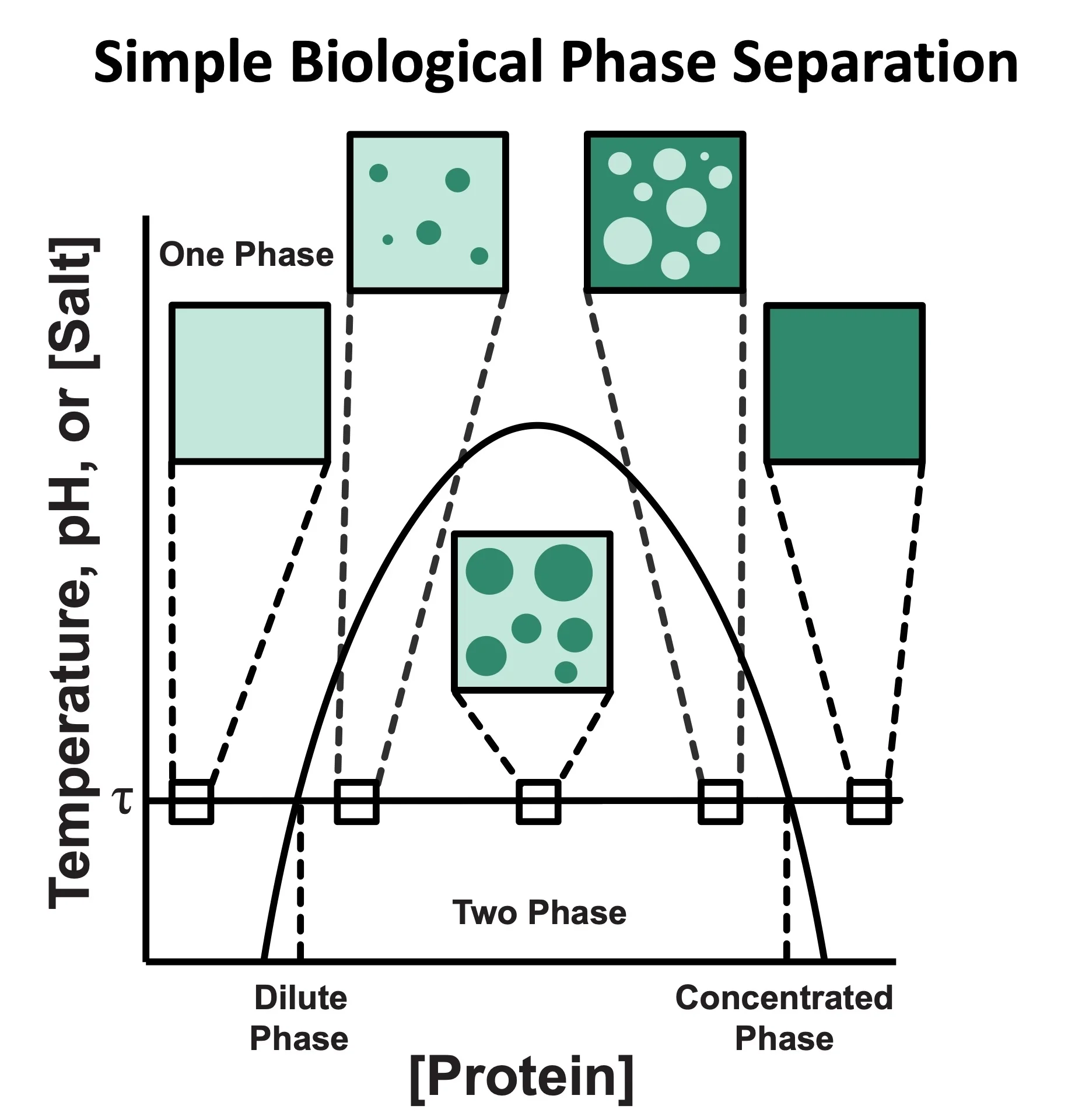
Many biomolecular condensates on membranes, in the cytosol, and in the nucleus form through the process of biological phase separation.
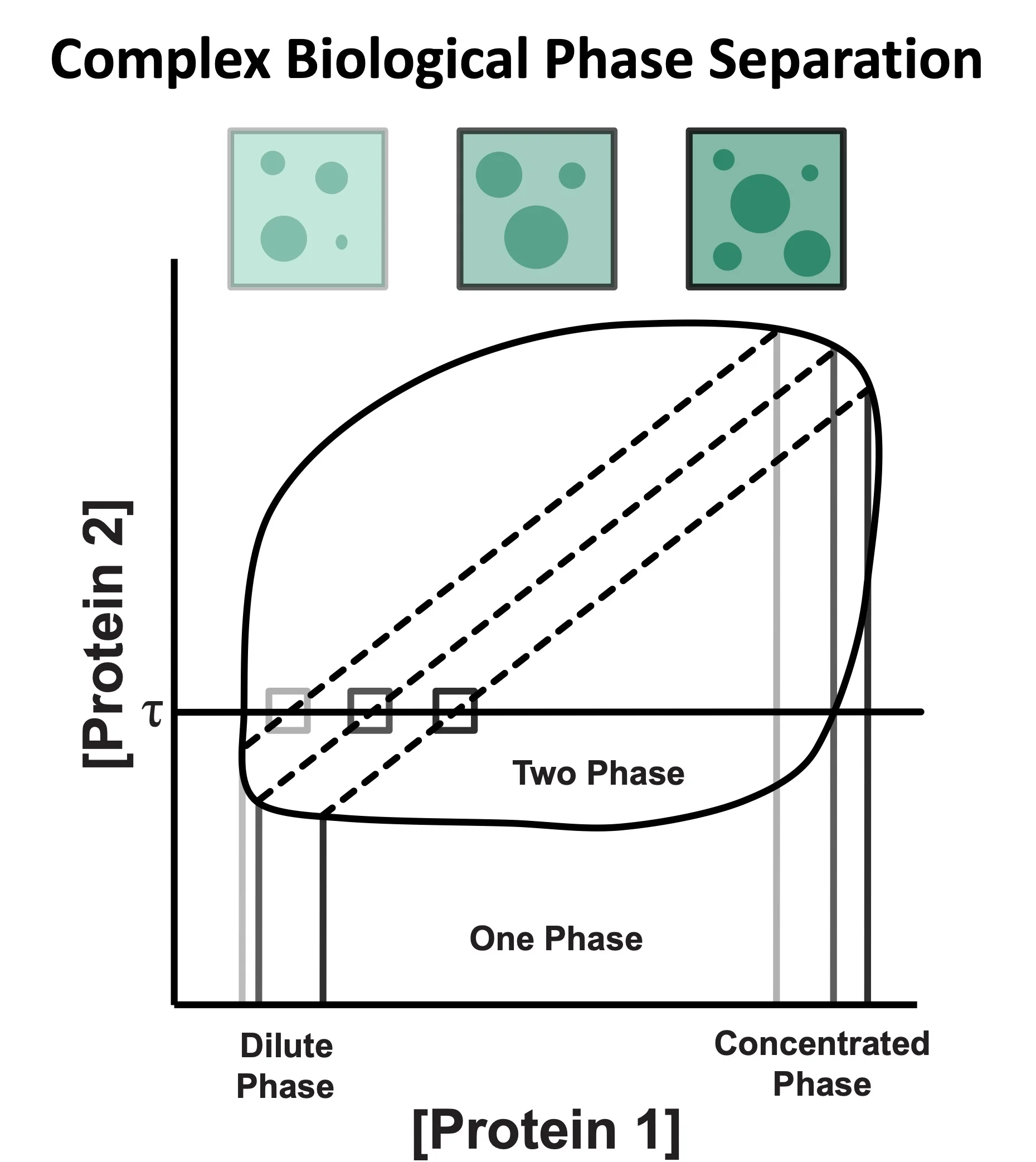
Initial biophysical analysis of biological phase separation was often performed on single component systems where a single protein interacted with itself and underwent phase separation in specific buffer conditions. In these simple systems, the concentrations of protein inside and outside of the condensates remain constant while the volume of condensed material increases when additional protein is added to the solution.
Many condensates are complex structures whose existence relies on interactions between multiple binding partners. In these more complex systems, it is not clear how the concentrations of proteins inside and outside the condensate will change as the total concentration of proteins is increased in solution. Furthermore, the role that each component plays in promoting biological phase separation is unclear.
Using model systems, we are interested in understanding a potential buffering role for complex condensates and deciphering general principles that underlie the contribution of different components to multi-component condensates.
PUBLICATIONS
2026
Salm, L., Lopez, M.A., Jenkins, E., Tejada, O., Mehram, B.A., Huang, S., Nezhad, P.E., Derakhshani, A., Lee, W.Y., Nusse, Y., Mewburn, J., Noskovicova, N., Bayer, J., Rashid, M.U., Li, X., Shim, R., Baltaci, Z.S., Young, D., Fritzsche, M., Jakubzick, C.V., Deniset, J.F., Zindel, J., Dufour, A., Yipp, B.G., Ditlev, J.A., Dustin, M.L., Canton, J., Kubes, P. A. A nerve and mast cell sentinel system releases extracellular condensates to induce macrophage repair. J. Exp. Med. 2026; Aug. 3; 223 (8): e20260410 doi.org/10.1084/jem.20260410
2025
Wan, Y., Hudson, R., Smith, J., Forman-Kay§, J.D., Ditlev, J.A.§ Protein interactions, calcium, phosphorylation, and cholesterol modulate CFTR cluster formation on membranes. Proc. Nat. Acad, Sci. 2025; Mar 10; 122 (11): 1-12. doi.org/10.1073/pnas.2424470122.
Ravamehr-Lake, D., Hoveyda, S., Schlierf, M., Ditlev, J.A., Deber, C.M. Interaction of CFTR modulators with mammalian membrane mimetics: the role of cholesterol. Biochemistry. 2025; Mar 26; 64(8): 1878-1886. doi.org/10.1021/acs.biochem.4c00780.
2024
Ahangama Liyanage, L., Ditlev, J.A. Mesoscale condensates organize the cytoplasm. Nat. Cell. Biol. 2024. Mar; 26: 310-312. doi.org/10.1038/s41556-023-01331-5.
Chattaraj, A.*, Baltaci, Z.*, Chung, S., Mayer, B.J., Loew, L.M., Ditlev, J.A. Measurement of solubility product reveals the interplay of oligomerization and self-association for defining condensate formation. Mol. Biol. Cell. 2024 Sept. 1; 35(9): 35:ar122, 1-11. doi.org/10.1091/mbc.E24-01-0030.
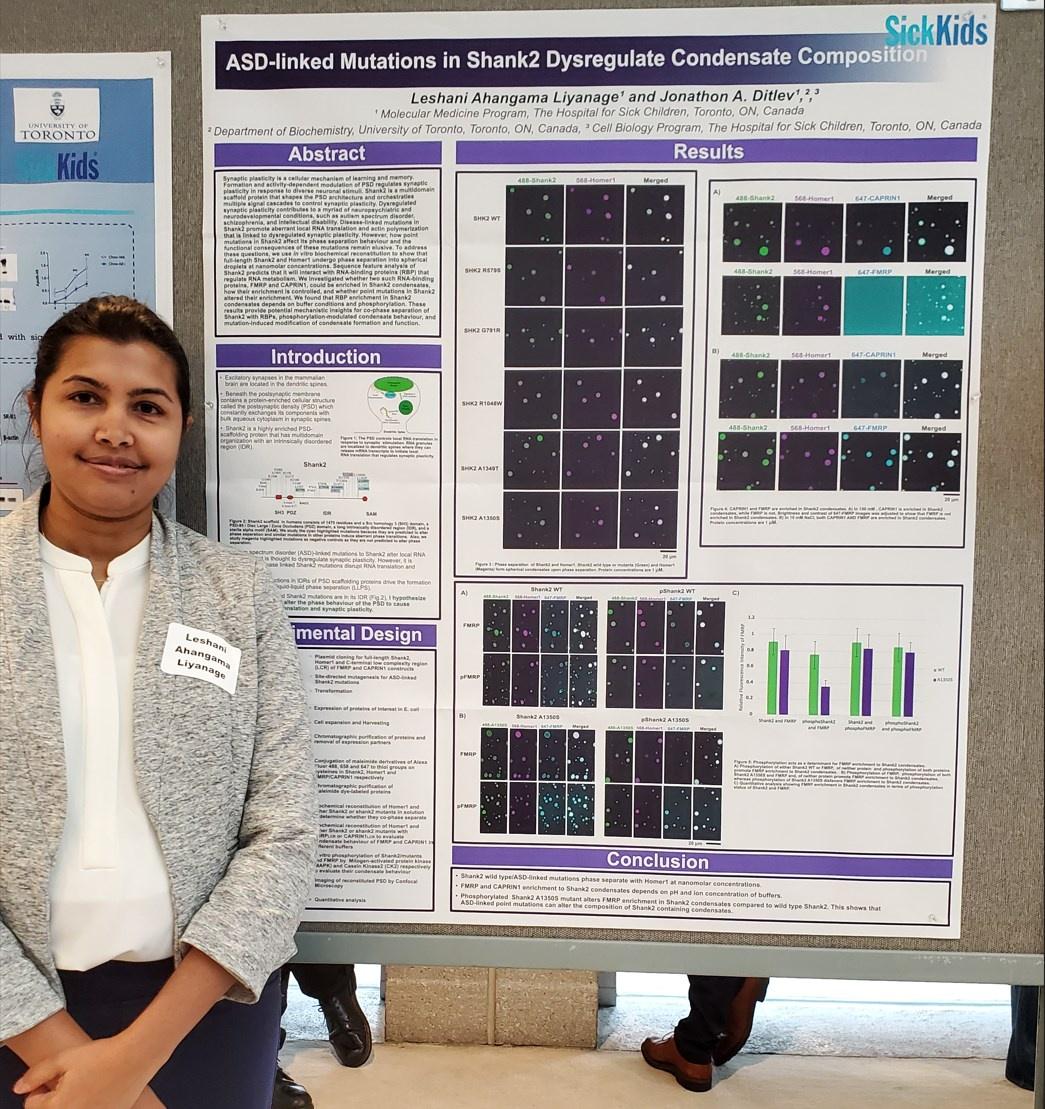
Ahangama Liyanage, L., McCready, F., Chung, S., Arsenault, J., Lin, X., Wang, L.Y., Ellis, J., Ditlev, J.A. Disease-linked mutation dysregulate neuronal condensate physical properties, composition, and RNA translation. BioRXiv. 2024. doi.org/10.1101/2024.11.01.621623.
2023
- Ahangama Liyanage, L., Rakhaminov, G., Chung, S., Ditlev, J.A. Plasma membrane shaping by protein phase separation. Plasma Membrane Shaping. 2023; 139-158. Textbook Chapter.
2022
2021
2020
2003-2019
GALLERY








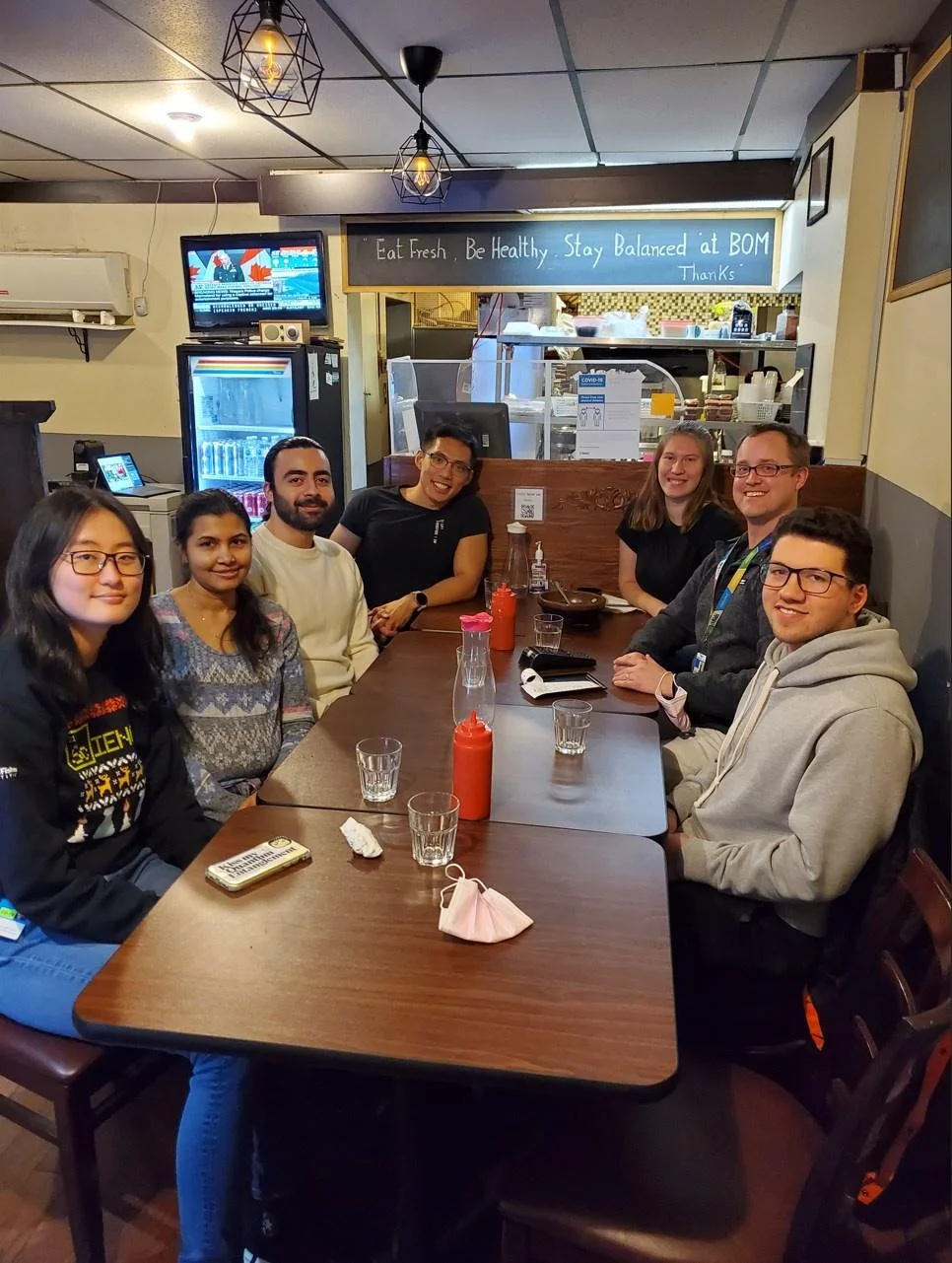
MEET JON DITLEV

Dr. Jonathon Ditlev, PhD
Principal Investigator
Dr. Ditlev earned his B.Sc. in Biology from Calvin College in 2003. Following graduation, he worked as a research assistant in Dr. Bin Tean Teh’s laboratory at the Van Andel Research Institute in Grand Rapids, MI. In 2012, he earned his PhD at the University of Connecticut Health Center under the advisorship of Dr. Bruce Mayer and Dr. Les Loew. Dr. Ditlev was a Ruth L. Kirschstein postdoctoral fellow at the University of Texas Southwestern Medical Center under the mentorship of Dr. Michael Rosen. He joined The Hospital for Sick Children (SickKids) Research Institute in 2019.
Dr. Jonathon Ditlev, PhD
Principal Investigator
Dr. Ditlev earned his B.Sc. in Biology from Calvin College in 2003. Following graduation, he worked as a research assistant in Dr. Bin Tean Teh’s laboratory at the Van Andel Research Institute in Grand Rapids, MI. In 2012, he earned his PhD at the University of Connecticut Health Center under the advisorship of Dr. Bruce Mayer and Dr. Les Loew. Dr. Ditlev was a Ruth L. Kirschstein postdoctoral fellow at the University of Texas Southwestern Medical Center under the mentorship of Dr. Michael Rosen. He joined The Hospital for Sick Children (SickKids) Research Institute in 2019.
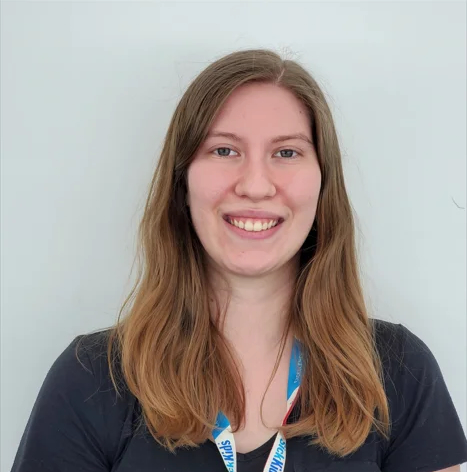
Zeynep Bekci-Baltaci, PhD Candidate
Graduate Student, MSc
Zeynep earned her B.Sc. from the University of Toronto, specializing in Biochemistry and minoring in Immunology. She is currently working to assess the function significance of coupling of lipid and protein phase separation in T cell signaling. The aim of her project is to understand the biophysical mechanisms that drive signal transduction downstream of the stabilization of protein condensates by ordered lipid domains. In the future, she wants to become a professor and open her own lab. She is obsessed with her Siberian Husky and she enjoys baking in her free time.

Elissa Goodbrand, PhD Candidate
Research Student
Elissa graduated with a BMSc from Western University in 2023 with an Honours Specialization in Biochemistry and Cancer Biology. She is a current graduate student in the Department of Medical Biophysics at the University of Toronto. Her work investigates the biochemical role of tumorigenic protein isoform expression on condensate organization. In her free time she loves to dance, hike, and enjoy the outdoors.
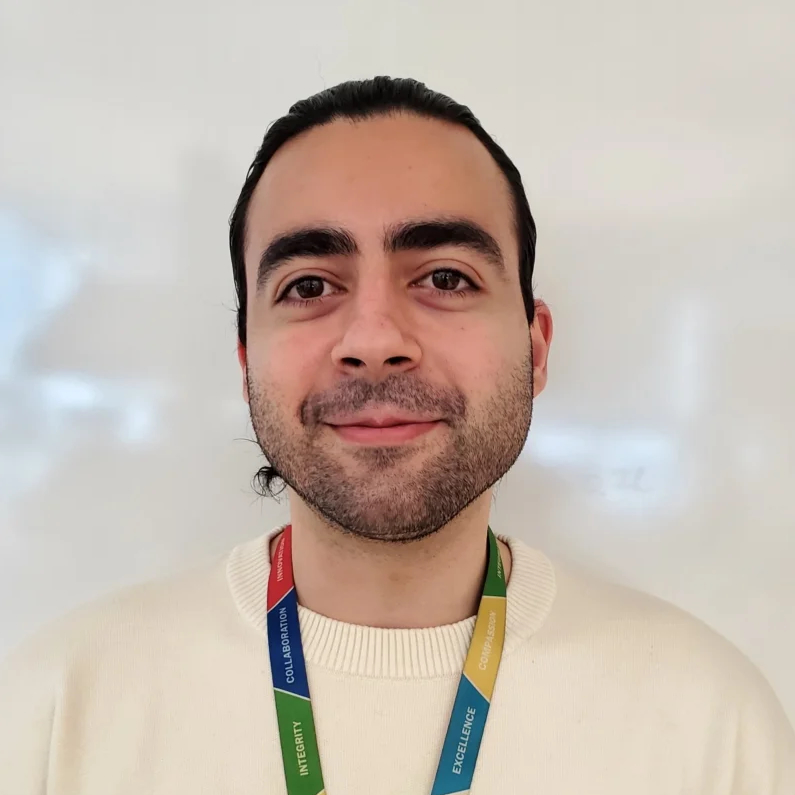
Gaddy Rakhaminov, PhD Candidate
Graduate Student
Gaddy graduated with an Honours B.Sc. from York University in 2019, majoring in Biology (Biomedical Science). As an undergraduate he worked in the lab of Dr. Dasantila Golemi-Kotra studying the Staphylococcus aureus protein FmtA, an enzyme involved in the modification of wall teichoic acids. In the Ditlev Lab, he is using biophysical and proteomic approaches to investigate the role of neuronal scaffold proteins in the organization of postsynaptic density condensates. In his spare time, Gaddy is an avid gamer, basketball player, and a massive fan of the greatest show of all time, Seinfeld.